
ADHD and driving pose unique challenges for many people on the road. The brain processes information differently, which makes navigating traffic, remembering directions, and maintaining focus more difficult.
People with inattentive ADHD struggle to stay focused on the road ahead, especially when they have to deal with complex traffic situations. Research on ADHD and driving statistics shows concerning patterns – drivers with ADHD are 1.5 times more likely to be involved in a car accident compared to those without ADHD. Adults with ADHD experience additional layers of anxiety while driving, particularly during rush hour traffic. Safety risks increase due to impulsive decisions and difficulties with sustained attention that might not be immediately obvious.
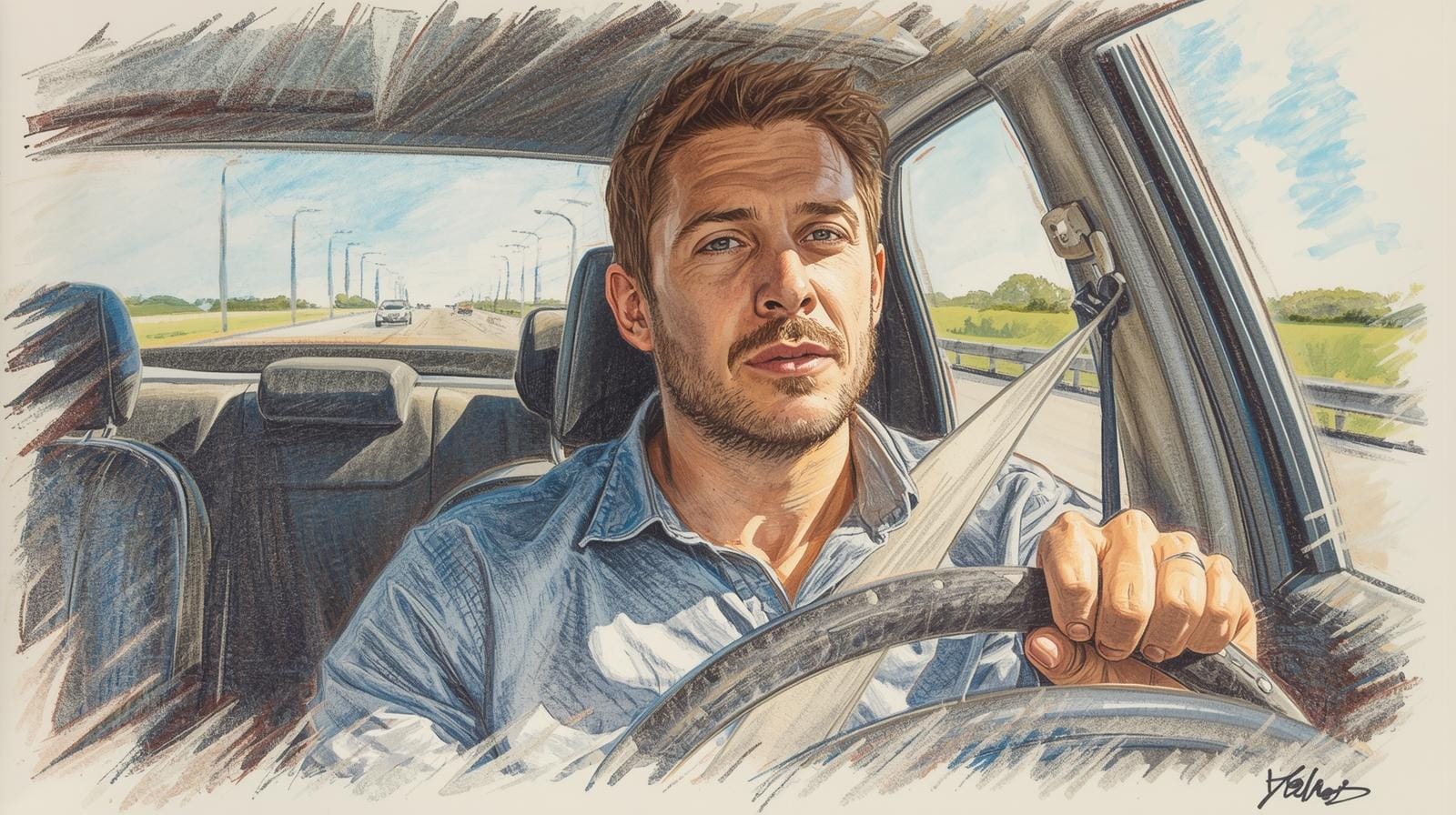
This piece explores ADHD’s impact on driving skills and helps readers identify warning signs that indicate risk. You’ll also learn practical strategies to boost safety behind the wheel, whether you’re a new teen driver or an adult who has managed this challenge over the last several years.
How ADHD Affects Driving Behavior
People with ADHD have brains that work differently when they’re driving. Research shows a clear link between ADHD and driving problems that goes beyond just getting distracted. Let’s look at why driving with ADHD needs extra care and specific strategies.
Inattention and missed road signs
Inattention, a core ADHD symptom, directly affects how aware you are on the road. ADHD drivers often miss important details – they might drive right past stop signs or miss changes in speed limits.
The brain processes visual information differently with ADHD. A driver might focus too hard on a tricky intersection and completely miss a yield sign. Their eyes might catch something interesting outside – like a bright billboard or unusual car – and they’ll miss crucial traffic signals.
Studies tell us this isn’t just random forgetfulness. These attention gaps can last several seconds, which is plenty of time for road conditions to change fast.
Impulsivity and risky decisions
Impulsivity makes driving riskier for people with ADHD. They often make quick decisions without thinking about the risks. This shows up as:
- Unsafe lane changes without signals
- Tailgating other cars
- Driving way too fast
- Getting angry at other drivers quickly
ADHD drivers tend to think they’re better at driving than they really are, while not seeing the dangers. Research shows that impulsive drivers are more likely to get into road rage situations, making driving even more dangerous.
A 2023 study found that this risk stays high throughout life. Older adults with ADHD (65-79 years) were 102 percent more likely to get traffic tickets and 74 percent more likely to crash than other drivers their age.
Executive function and multitasking challenges
The real problem lies in executive function – the brain’s control center that handles complex tasks, makes decisions, and filters out distractions. Driving needs constant executive function as you:
- Watch your speed and position
- Keep track of other cars
- Read road signs and signals
- Find your way around
- Control your car
ADHD makes it hard to handle all these tasks at once. Many ADHD drivers feel sleepier during the day, which slows down their reactions and decision-making.
Modern cars make things more challenging. Researchers identify four types of distractions: what you see, what you hear (such as phone notifications), taking your hands off the wheel, and letting your mind wander. Each type hits harder when your brain already struggles with attention.
These patterns in ADHD driving behavior are the foundations of better coping strategies. Drivers can stay safer once they know how their ADHD brain works on the road.
Recognizing the Warning Signs on the Road
Recognizing dangerous driving patterns can save lives, especially when you have ADHD. The numbers paint a clear picture – drivers with ADHD are much more likely to get into accidents that could be avoided. You can prevent risky situations by spotting these behaviors early.
Frequent lane drifting or missed signals
ADHD can disrupt your driving in obvious ways, such as by causing you to drift out of your lane. Drivers often drift across lane markings without noticing until someone honks or flashes their lights at them.
They might forget to check blind spots before switching lanes, make unsafe moves without signaling, or struggle to stay between the lines. Some drivers completely miss changes in traffic lights or vital road signs—including stop signs—because something else caught their attention.
These patterns show how the ADHD brain struggles to process visual information while driving, which creates serious safety risks that need immediate attention.
Difficulty focusing on long drives
Driving long distances creates unique challenges for people with ADHD. Watch out for these warning signs:
- Your focus fades after the excitement of starting the trip wears off
- You feel unusually sleepy, even after getting enough rest
- You drift off after driving for hours
- You miss exits or turns despite having GPS directions
People who have adult ADHD and driving anxiety say their mind wanders a lot on boring highway stretches. This mental drift makes it hard to do what experts call “active scanning procedures”—regularly checking mirrors, speed, and surroundings to stay focused on driving.
Using phones or devices while driving
Device use behind the wheel puts everyone at risk, but it’s even more dangerous for people with ADHD. Red flags include:
Taking your hands off the wheel to check notifications using social media, while driving, taking photos or videos while moving, constantly adjusting music or temperature controls
Many drivers feel they have to check their phone when they hear notifications. This mix of sound distractions and impulse control creates the perfect recipe for driving problems with ADHD.
Ignoring speed limits or traffic rules
ADHD often leads to breaking traffic rules without thinking. My research on inattentive ADHD and driving shows that going over speed limits regularly points to problems with executive function.
Look for patterns such as running red lights, rolling through stop signs, or tailgating other cars. Getting multiple tickets for moving violations usually means ADHD symptoms affect your driving safety.
The ADHD brain struggles with self-control rather than being intentionally reckless. Drivers might not realize how often they bend rules until someone points it out or they face consequences like tickets or fender benders.
These warning signs in yourself or someone you care about might mean it’s time to talk to a healthcare provider about ways to handle ADHD while driving.
Teen and Adult ADHD: Different Challenges
ADHD creates unique driving challenges for different age groups. The risks and ways to handle them differ significantly between new teen drivers and experienced adults. Each age group needs its own safety approach that works for their life stage.
Teen drivers and inexperience risks
Teen drivers with ADHD face multiple risk factors at once. Their brain’s executive functions aren’t fully developed until their mid-to-late 20s. This makes all teens more likely to get distracted. When you add ADHD to this regular development pattern, the risks go up a lot.
The numbers tell a clear story. New teen drivers with ADHD are 36 percent more likely to crash their vehicles than their peers without ADHD. This higher risk comes from both lack of experience and brain differences that affect focus and impulse control.
Parents need to give their ADHD teens extra support:
- Limit the number of passengers (teen passengers make crashes more likely)
- Don’t let them drive when tired
- Help them practice in challenging situations, such as driving at night or in bad weather.
- Take extra time to teach traffic rules and defensive driving
- Look into special driving programs with instructors who know about ADHD
On top of that, teens with learner’s permits who get regular, structured practice are 39 percent less likely to have accidents. Giving ADHD teens more practice time before full licensing really pays off in terms of safety.
Adult ADHD and driving anxiety
Adult drivers with ADHD often feel anxious about driving based on past events or knowing their attention challenges. This anxiety can make driving even less safe by adding to their mental load.
ADHD driving challenges continue but change as people age. Middle-aged adults usually handle impulses better but struggle more to stay focused on boring highways or daily commutes. Many find ways to cope but still have more accidents than drivers without ADHD.
A surprising 2023 study found older adults with ADHD (ages 65-79) were 102 percent more likely to get traffic tickets and 74 percent more likely to crash compared to drivers their age without ADHD.
Adults who feel anxious about driving often benefit from structured approaches. They can stay focused by regularly checking mirrors, gauges, and road conditions in a pattern. Planning routes ahead, cutting down on distractions, and using GPS voice guidance can also help reduce mental overload.
Medication considerations for different age groups
Teen and adult drivers with ADHD need different approaches to medication. Parents should talk to doctors about medication timing since teens often drive after school when their medication might be wearing off.
A major JAMA Psychiatry study looking at over 2.3 million adults with ADHD showed that medication makes driving safer. Men were 38 percent less likely to crash, while women saw a 42 percent reduction in accident risk. The proper medication could prevent up to 22 percent of car crashes involving ADHD drivers.
Adults need to stay consistent with their medication. Many people link taking medication to daily habits like breakfast. Some use phone reminders or pill organizers to keep on track—especially important before driving.
Americans spend about 55 minutes driving each day, so medication needs to work during drive time. Many adults feel more confident and less anxious behind the wheel when properly medicated. This creates a positive cycle that makes driving even safer.
Both teens and adults with ADHD can drive safely with the right mix of awareness, support, and possibly medication—but each age group needs its own approach.
Safety Tips for Drivers With ADHD
You can reduce the risk of accidents and build driving confidence by developing effective strategies to manage ADHD while driving. Medication helps many drivers, but practical techniques can improve safety, regardless of the medicines you take.
Limit distractions before and during driving
You need to remove distractions before starting the engine. Put your phone on silent and keep it out of reach—not just on silent mode, where notifications are still visible. Set up your driving environment first. Adjust mirrors, set climate controls, and put on sunglasses before you start driving.
Music selection is a vital part of preparation if you have inattentive ADHD and driving challenges. Make a playlist before you start to avoid changing songs while moving. Never check social media, take photos, or respond to messages while driving—these actions increase the risk of accidents.
Use checklists and routines
Checklists are a great way to get external memory support for adult ADHD and driving. Make a simple pre-drive checklist with items like “adjust mirrors,” “fasten seatbelt,” and “set GPS.” Keep this checklist visible in your car until these steps become second nature.
Of course, staying consistent helps reduce ADHD and driving anxiety. A driving routine—keeping keys in the same spot, following similar preparation steps, parking in familiar places—reduces mental load and lets you focus on driving.
Plan routes and take breaks
Know your route before you leave, but stay flexible for unexpected traffic. Schedule regular breaks every 1-2 hours on longer trips to curb ADHD and driving problems related to attention span.
The “active scanning procedure” helps maintain focus—check mirrors, gauges, and surrounding traffic in a regular pattern. This technique prevents mind wandering, especially on boring highways. Therefore, avoid using cruise control, which increases the risk of fatal accidents by 10 percent.
Utilize car safety features
Modern vehicles have many features that help drivers with ADHD. Learn to use steering wheel controls to minimize dashboard distractions. You might need to dim or turn off heads-up displays if they distract you too much.
Manual transmission vehicles might work better for people with ADHD since they require constant involvement with driving mechanics. Backup cameras, lane departure warnings, and collision detection systems provide vital safety support—but don’t depend on them as your main attention tools.
Support Systems That Make a Difference
Strong support networks improve driving outcomes a lot for people with ADHD. The right help makes roads safer for everyone.
Role of family and caregivers
Having someone in the passenger seat makes driving safer for ADHD drivers. Studies show adult passengers help maintain focus during long trips. Family members can handle distracting tasks like adjusting the AC, managing GPS directions, and spotting potential hazards.
Family support extends beyond the car. Loved ones can help by starting open talks about driving challenges. These conversations build confidence and help spot worsening symptoms before accidents happen.
Driving education programs for ADHD
The proper instruction makes a big difference in driving success. Look for instructors who specialize in driving rehabilitation and understand neurological differences. These experts help ADHD drivers pass state tests through personalized training methods.
Parents should give their teens plenty of supervised practice time. Teen drivers with permits who practice regularly are 39% less likely to be involved in accidents.
Medication routines and reminders
Good medication management reduces crash risk. A structured routine for taking medicine is vital – most people link it to daily habits like eating breakfast.
Parents might need to remind teens about their medicine. Adults often use phone alerts or pill organizers. Proper medication use could prevent up to 22% of car crashes that involve ADHD drivers.